In recent days, flood damage restoration has surged to the top of public and industry conversations, as communities across flood-prone regions grapple with the aftermath of record-breaking rainstorms. Homeowners, insurers, and restoration companies alike are racing to respond to escalating calls for repair, cleanup, and long-term mitigation — spotlighting the critical role of flood damage restoration in today’s climate-driven risk landscape.
Rising Demand: What’s Driving the Restoration Boom
The push in flood damage restoration is being driven by a confluence of factors: increasingly frequent heavy rainfall events, aging infrastructure, and growing awareness that timely repair is essential to prevent long-term structural damage.
Climate Change and Extreme Weather
Meteorological trends show that extreme precipitation is becoming more common, placing more properties at risk. When floodwaters rise, the need for professional restoration services becomes urgent — from water extraction and dry-out to mold remediation and structural work. Flood damage restoration companies are now working around the clock in many hot spots, handling not just immediate damage but also assessing hidden secondary risks like dampness and bacterial contamination.
Infrastructure Under Strain
Many regions lack adequate stormwater systems, and with heavier rain comes flooding in unexpected areas. That means more homeowners who may have never experienced a major flood are now suddenly needing flood damage restoration. This expands the market for restoration firms far beyond traditional “flood zones.”
Insurance & Costs
Insurers are reporting higher volumes of flood-related claims, which in turn fuels demand for certified flood damage restoration contractors. At the same time, consumers are learning that delaying repairs carries real financial risk — untreated water damage can lead to rot, mold, and even long-term health hazards, driving up costs significantly if not addressed promptly.
Key Components of Modern Flood Damage Restoration
To effectively tackle flood damage, restoration companies are increasingly emphasizing a multi-step, technology-driven process:
- Damage Assessment & Water Extraction
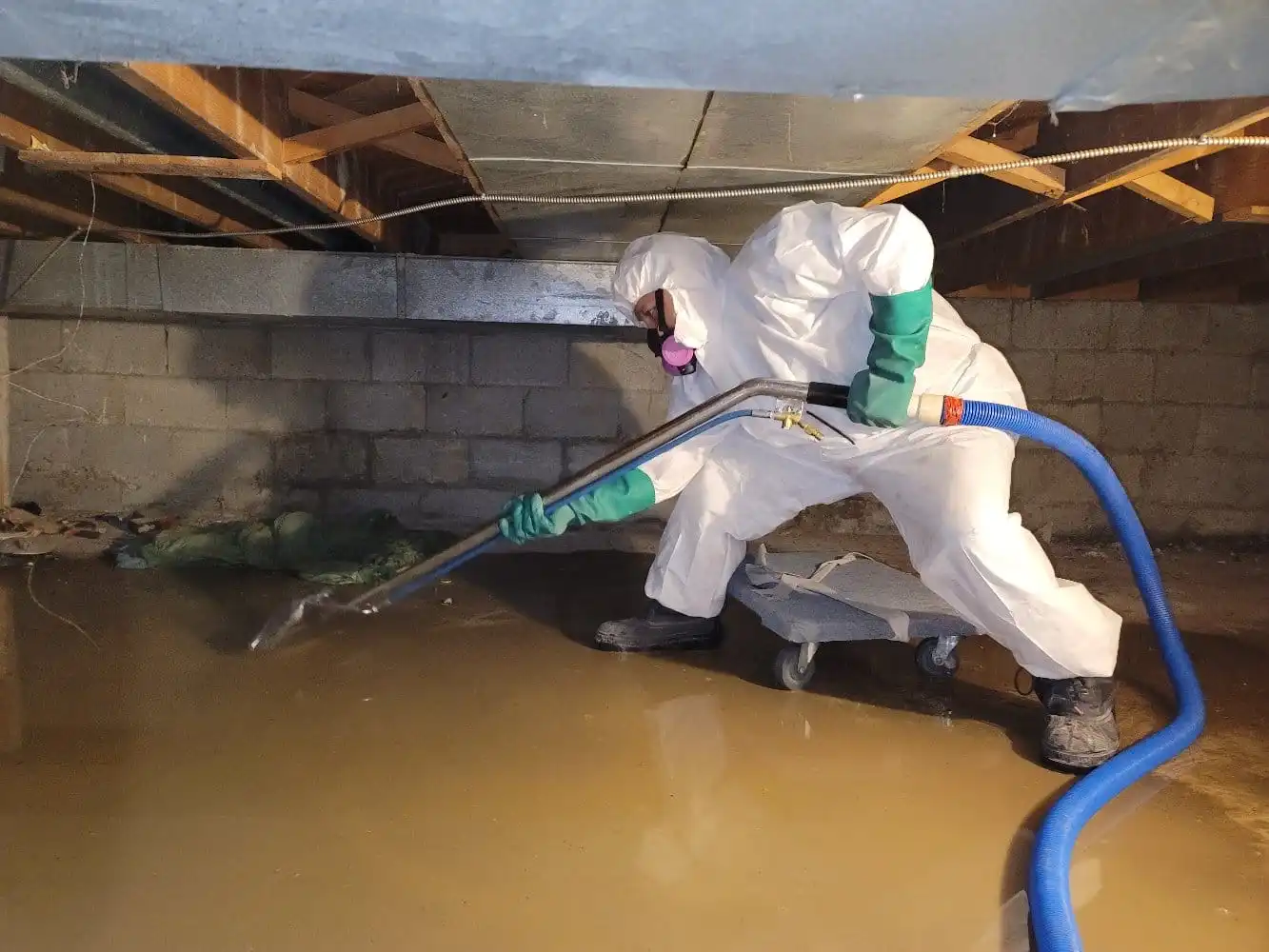
The first stage always involves quickly assessing the extent of water infiltration and extracting standing water. High-capacity pumps, industrial-grade vacuums, and moisture meters are now standard tools in a restoration firm’s arsenal. - Drying & Dehumidification
After extraction, drying is critical. Technicians deploy high-powered air movers and dehumidifiers to lower humidity, preventing secondary damage from lingering dampness. This step is central to high-quality flood damage restoration, as it addresses risks that go beyond immediate floodwater removal. - Sanitization & Mold Prevention
Floodwaters often contain contaminants — from sewage to industrial runoff — so restoration involves sanitizing surfaces and materials to ensure safety. Antimicrobial treatments and mold inhibitors are commonly used to prevent the growth of harmful organisms, a vital part of flood damage restoration. - Reconstruction & Repairs
Once the space is dry and safe, rebuilding begins. This may involve replacing drywall, flooring, insulation, or even structural elements that have been compromised. Skilled contractors must restore not just appearance but also the integrity of the property. - Mitigation & Future Proofing
Leading restoration firms now offer mitigation strategies: installing flood-resistant materials, creating water-diversion landscaping, or recommending elevated utility systems. These proactive measures reduce the long-term risk and cost for homeowners.
Business Analysis: Why Restoration Firms Are Scaling Up Quickly
Market Opportunity
Restoration firms are seeing unprecedented demand. Many companies are expanding their teams, investing in more equipment, and establishing regional hubs in flood-sensitive locations. The sudden spike in calls is not just seasonal — it’s structural, as flood events become less predictable and more widespread.
Technology & Efficiency Gains
Advanced drying and moisture-monitoring technologies are helping contractors deliver faster, more reliable results. IoT sensors, thermal imaging, and cloud-based project management tools are improving efficiency and giving customers better visibility into the restoration process.
Talent & Certification Challenges
With demand growing, finding trained restoration professionals is becoming a bottleneck. Firms are investing more in training, certification programs, and cross-skilling — hiring people with expertise in both remediation and reconstruction. Certification in water restoration and mold remediation is becoming a competitive differentiator.
Pricing Pressure & Insurance Partnerships
Restoration companies are navigating a tightrope: consumers expect fast, high-quality service, while insurers demand cost controls. Some restoration providers are entering direct partnership arrangements with insurance firms, offering bundled services or negotiated pricing — but they must balance that with ensuring their own margins remain healthy.
Risks and Challenges in the Restoration Landscape
While the surge in flood damage restoration is a business opportunity, it’s not without serious risk.
- Overcommitment Risk: With waves of demand, a firm might overextend by taking on more jobs than it can handle, leading to slower response times, reduced service quality, or burnout among staff.
- Regulatory & Liability Risks: Restorers must comply with environmental and health regulations, especially when dealing with contaminated flood water. Failure to meet standards could expose them to liability.
- Unpredictable Revenue Cycles: Floods are episodic, so staying busy in the off-season is a perennial challenge. Firms must manage cash flow carefully and build a pipeline of non-flood restoration work to stay balanced.
- Supply Chain Constraints: High demand for drying equipment, building materials, and specialty supplies could strain supply chains, increasing costs or delaying projects.
Strategic Responses: How Restoration Firms Can Adapt and Thrive
To turn the flood damage restoration surge into sustainable growth, companies are developing several strategic responses:
- Diversify Service Lines: Expanding into non-flood repairs, fire damage, or mold-only contracts helps smooth out revenue fluctuations across seasons.
- Strengthen Insurance Partnerships: Working closely with insurers to streamline claims, offer bundled restoration packages, and ensure rapid service delivery helps both parties — and improves customer experience.
- Invest in Capacity: Building regional reservoirs of drying equipment, mobile teams, and rapid-deployment units ensures fast response.
- Educate Homeowners: Community education about flood risk, early warnings, and the importance of professional restoration can drive preventive work and early engagement.
- Promote Mitigation Services: Making flood-resistance upgrades part of the standard offering encourages long-term client relationships and positions firms as trusted advisors, not just emergency responders.
Wider Implications: Why This Trend Matters for Communities
The uptick in flood damage restoration is more than a business phenomenon — it reflects a deeper shift in how societies respond to climate risk. As extreme weather becomes more common, communities need resilient infrastructure, not just emergency fixes. Restoration firms are becoming de facto climate adaptation partners, helping people rebuild smarter and safer.
For cities and local governments, encouraging partnerships with restoration companies could be a cost-effective way to improve resilience. Public-private efforts might include subsidizing flood-resilient materials or establishing local restoration squads funded by municipal or state governments.
There’s also a social equity dimension: lower-income neighborhoods may be hit hardest by flood damage and lack resources to pay for quality restoration. Ensuring that professional flood damage restoration is accessible and fairly priced could be an important part of climate justice efforts.
Looking Ahead: What to Watch
- Regulatory Reform: Will governments begin to mandate flood-resistant building practices or require climate-resilience standards in residential construction?
- Insurance Model Evolution: As flood risk rises, insurers may demand or offer premium discounts for properties restored using advanced mitigation — fostering more work for restoration firms.
- Technology Adoption: Widespread use of predictive sensors, smart home flood alarms, and AI-driven moisture monitoring could transform how early damage is detected and addressed.
- Public Investment: Local or federal programs might start to subsidize flood damage restoration as part of broader climate adaptation spending.
Final Thought
The surge in flood damage restoration is a powerful signal: restoration companies are no longer just cleanup specialists — they are frontline responders to climate risk. As demand climbs, firms that combine technical excellence, insurance insight, and climate-aware services will be best positioned to lead. For homeowners and communities, the rise of this sector offers both immediate help and a roadmap for building resilience in an increasingly watery world.
Credit: bizbeatz.com
Date: November 16, 2025