Switzerland is at a crossroads as it confronts a trio of headline‑making developments: rapidly accelerating climate change, debates over wealth taxation, and a freshly re‑energized relationship with the European Union. In recent days, Switzerland has come under intense scrutiny — and its next moves will be critical not just for the country, but for its role in Europe and the broader world.
Climate Alarm: Swiss Heat, Drought, and Melting Glaciers
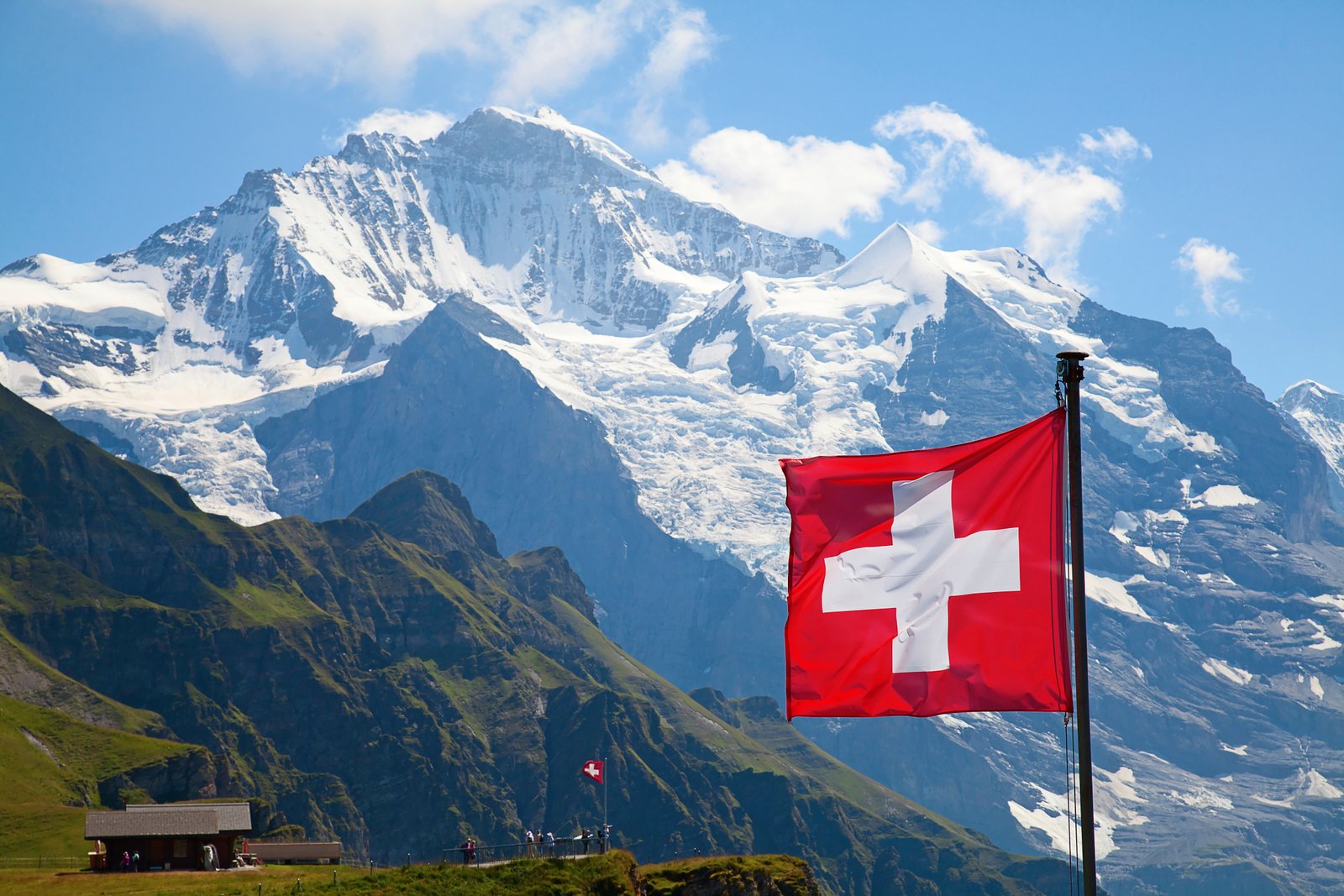
A major scientific update from Switzerland’s federal meteorological agency and ETH Zurich has painted a stark picture: Switzerland is warming faster than the global average, and the outlook is especially alarming for the Alps. According to the newly released climate scenarios, the country is projected to face more frequent heatwaves, longer droughts, and much heavier rainfall events. Snowpack — so central to Switzerland’s identity and economy — is expected to decline, threatening mountain communities, tourism, and even hydropower generation.
The implications are already being felt. Swiss glaciers are retreating at a historic pace, with recent reports showing a 3% drop in glacier volume this year — one of the largest annual losses on record. This ice melt raises the risk of rockslides, landslides, and unstable terrain in alpine regions. Local authorities in mountain cantons are increasingly under pressure to adapt infrastructure and safety plans to respond to these changing conditions.
Wealth Tax Battle: Super-Rich Under the Spotlight
In parallel with the climate crisis, Switzerland is gearing up for a major political showdown: a referendum on a proposed 50% inheritance tax on fortunes over 50 million Swiss francs. Proponents of the measure argue that the ultra-rich should bear a greater burden to fund climate mitigation and social programs. But latest polling suggests that the initiative is likely to be rejected — by as much as two-thirds of voters, according to recent surveys.
Critics warn that such a high tax could drive wealthy residents and business entrepreneurs out of the country, undermining Switzerland’s reputation as a stable, business-friendly economy. Given Switzerland’s long-held fiscal model of low taxes and political neutrality, this referendum could shift how the country balances economic competitiveness and social equity.
Re‑Engaging Europe: Switzerland and the EU Package
On the diplomatic front, Switzerland is accelerating its path toward closer EU integration. The Swiss Federal Council recently launched a consultation process on a sweeping Swiss–EU package that covers wage protection, immigration, energy, and regulatory alignment. This comes after months of negotiation, and the Council has even called for an optional referendum on some of the proposed agreements — underscoring the sensitivity of the reforms.
One of the most consequential parts of the deal: Switzerland’s participation in the EU’s flagship research and technology programs, including Horizon Europe and the Digital Europe Programme, retroactive to January 1, 2025. For Swiss industry, it means better access to innovation funding; for Swiss science, it’s a renewed opportunity to collaborate more deeply with European peers. But the referendum could upend parts of that plan if public sentiment turns.
Economic Strain: The Swiss Franc’s Double‑Edged Sword
Another undercurrent in Switzerland’s national debate is the strength of the Swiss franc. The currency has surged, partly because of investor flight to safety amid global uncertainty. While that strengthens Switzerland’s purchasing power, it also fuels deflationary pressures: imported goods become cheaper, squeezing domestic producers and creating potential strains on inflation.
At the same time, environmental activists are targeting the Swiss National Bank (SNB), criticizing its portfolio for containing companies tied to deforestation and biodiversity loss. Protests at the SNB’s AGM reflect growing public demand for greener investments, adding another layer of pressure on Switzerland’s central bank to reckon with its environmental footprint.
Risks and Trade‑offs: Navigating a Transition
For Climate Policy
- Adaptation Costs: Reinforcing alpine villages, stabilizing terrain, and protecting infrastructure will be costly.
- Social Tension: Wealthy critics may contend with populist pressure for more progressive taxes.
- Policy Uncertainty: If the inheritance‑tax referendum fails, Switzerland may struggle to secure the funds needed for climate adaptation.
For EU Relations
- Referendum Risk: Public rejection of parts of the Swiss–EU package could stall or reshape the path toward integration.
- Sovereignty vs Cooperation: Some Swiss voters remain deeply skeptical of committing too deeply to EU regulatory systems.
- Economic Impact: Not joining or delaying could limit Swiss firms’ access to innovation funding and talent mobility.
For the Economy
- Deflation Risk: A persistently strong franc could undermine domestic investment and pressure exporters.
- Reputation Risk: Central bank’s environmental investing practices may erode public trust if perceived as out of step with climate commitment.
Strategic Outlook: What to Watch
- Referendum Results — The inheritance‑tax vote later this year will reveal how comfortable Swiss voters are with major wealth redistribution.
- Climate Policy Implementation — Will the federal government produce and fund robust adaptation plans for vulnerable mountain zones?
- EU Package Ratification — Will negotiation evolve into concrete treaty adoption, or will Swiss citizens push back?
- SNB’s Green Strategy — Will environmental protests lead the SNB to alter its asset holdings or enhance its sustainability policies?
- Currency Policy — Can Switzerland balance a strong franc without triggering harmful deflation or hurting its exporters?
Why This Matters Beyond Switzerland
Switzerland’s current crossroads reflect broader global tensions: how wealthy nations reconcile climate risk with economic competitiveness, how democratic states balance local control with supranational cooperation, and how financial institutions internalize sustainability. The country’s choices now could set an influential precedent — not only for Europe but for other advanced economies wrestling with similar trade‑offs.
Final Thought
Switzerland stands in the eye of the storm — not metaphorically, but literally, as its glaciers melt and its future economic and political direction shifts. With the climate warning beacons flashing, a contested wealth‑tax referendum looming, and deeper EU ties under negotiation, Switzerland’s next chapter may define its legacy for decades. How the Swiss people and their leaders respond will offer a powerful test of whether resilience, innovation, and solidarity can guide the nation forward.
Credit: bizbeatz.com
Date: November 16, 2025