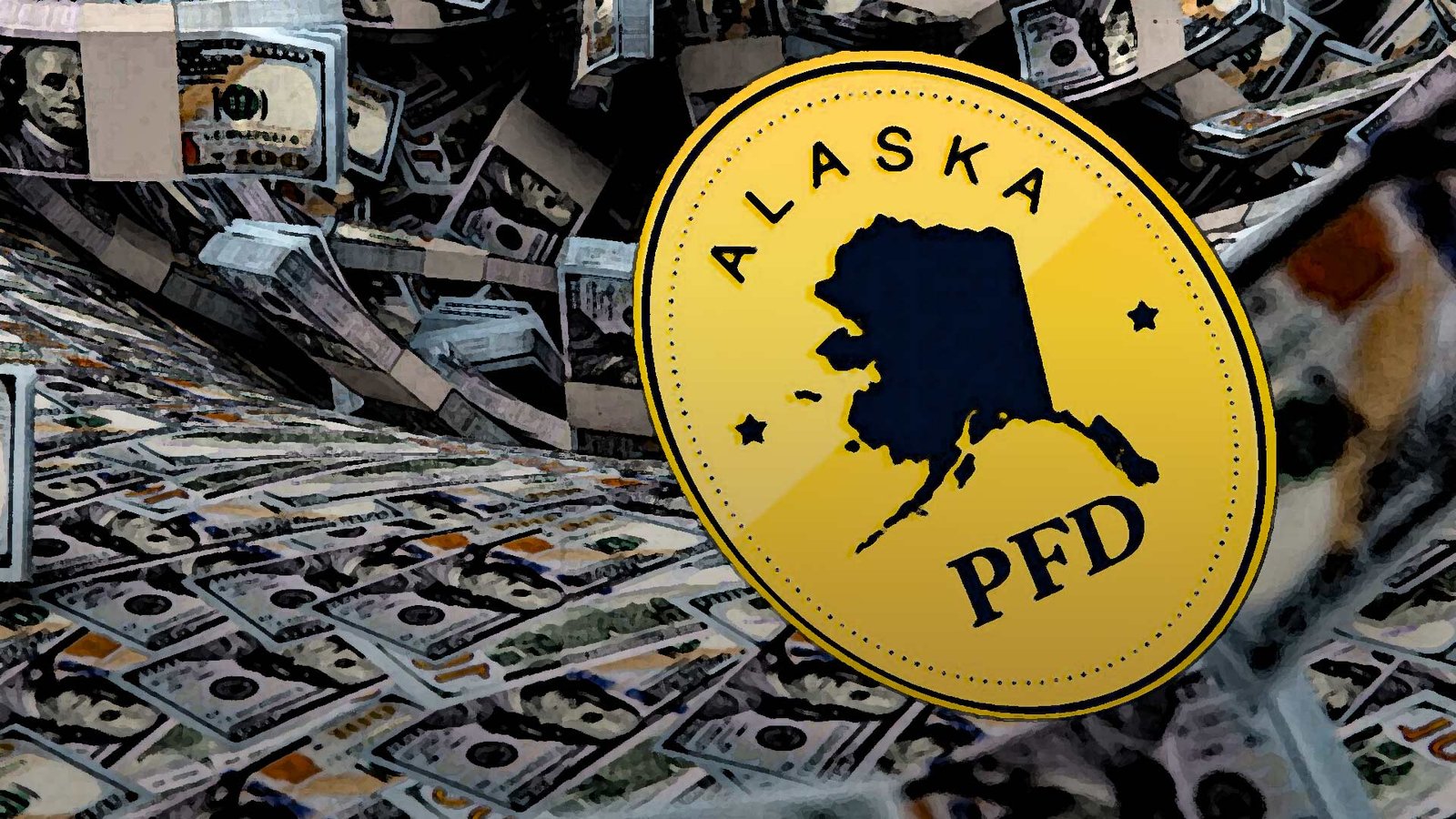
The alaska permanent fund has surged back into the national spotlight as Alaska distributes this year’s Permanent Fund Dividend (PFD) and state officials confront growing questions about the Fund’s long-term structure, sustainability, and economic purpose. The topic has trended heavily on search platforms over the last 24 hours, driven by renewed political debate, fresh fiscal projections, and widespread public interest in both the current payout and the future of the Fund.
A Defining Alaska Institution Reaches Another Crossroads
Created in 1976 to ensure Alaskans benefitted from the state’s natural resource wealth, the alaska permanent fund has evolved into one of the world’s most closely watched sovereign wealth funds. It has grown dramatically over the decades and now stands as the backbone of Alaska’s financial stability. Its annual dividend — the PFD — is a cherished feature of life in Alaska, viewed by residents not merely as a financial benefit but as a symbol of Alaska’s unique resource stewardship.
Yet today the alaska permanent fund is at a pivotal moment. The combination of volatile energy revenues, shifting political priorities, and inflationary pressures on public spending has reignited a vigorous debate about how the Fund should be managed — and how the PFD should be calculated.
This Year’s PFD: Lower Amount, Higher Stakes
This year’s PFD amount — approximately $1,000 per eligible resident — is smaller than many Alaskans hoped for, especially given historical payouts that were often significantly higher. While the payment still represents meaningful financial assistance for families, the more modest amount highlights the central tension Alaska now faces: balancing public expectations for a sizable annual dividend with the state’s need to fund essential services such as education, infrastructure, and healthcare.
The reduced PFD has also amplified discussions about the state’s shifting approach. For years, the payout followed a relatively predictable formula tied to the Fund’s earnings. In recent years, however, the legislature has taken a more active role in setting the amount, introducing political uncertainty into what was once a mechanical process.
What’s Driving the Renewed Controversy?
Several converging factors have pushed the alaska permanent fund back into the spotlight:
1. Declining Oil Production
Oil has historically formed the backbone of Alaska’s economy. But long-term declines in production and fluctuating global oil prices have left the state with less revenue to support government spending. When revenue tightens, the legislature faces a choice: cut services, raise taxes, or reduce the PFD.
2. Inflation and Rising Government Costs
Inflation has increased operating costs for the state, from maintaining rural schools to sustaining public safety programs. These pressures make larger PFDs more difficult to justify without jeopardizing core services.
3. Investment Volatility
Like all major investment funds, the alaska permanent fund experiences market cycles. Although it has grown significantly over time, periods of market volatility can reduce available earnings for distribution, forcing lawmakers to adjust expectations.
4. Political Division
The PFD is a defining political issue in Alaska. Some lawmakers push for a larger, formula-driven dividend, viewing the PFD as a direct return of resource wealth to residents. Others argue that excessive withdrawals threaten the Fund’s ability to support future generations.
This philosophical divide has intensified over the past year, shaping budget negotiations and public discourse.
The Push Toward an Endowment-Style Structure
A major component of recent debate is whether Alaska should formalize an endowment-style system — one that limits annual withdrawals to a fixed percentage of the Fund’s value. This approach would:
- Stabilize the size of the Fund over time
- Protect purchasing power against inflation
- Provide predictable annual income for both state government and PFD payments
Proponents argue that adopting this model would help Alaska avoid year-to-year political wrangling by establishing rules that balance short-term needs with long-term sustainability.
Opponents warn that rigid formulas could reduce PFDs in the near term and shift too much decision-making power away from voters and lawmakers.
What a Sustainable PFD Would Look Like
At the center of the discussion is a simple but consequential question: How large can the PFD be without harming the Fund?
A sustainable PFD would require:
- A clearly defined withdrawal rate that the Fund’s earnings can support
- Inflation-proofing mechanisms to protect real value
- Balanced allocation between the dividend and state operations
- Long-term investment discipline, even during market turbulence
Without these safeguards, the risk is that the state could overdraw the Fund, compromising both future PFDs and Alaska’s financial stability.
The Human Impact: Why the PFD Still Matters Deeply
Beyond economics and politics, the PFD remains a critical lifeline for many households. In rural communities with high transportation and heating costs, the dividend makes a real difference. Families often rely on the PFD for:
- Winter heating fuel
- Groceries and basic supplies
- School clothing and expenses
- Emergency savings
Reducing the PFD may help Alaska balance its budget today, but it also has immediate social consequences that disproportionately affect low- and middle-income residents.
Public Sentiment: Strong Attachment, Growing Frustration
Alaskans maintain a powerful emotional attachment to the alaska permanent fund. The PFD is often viewed as a rightful annual benefit — one tied directly to the natural resources that belong collectively to the people.
However, frustration is growing as payouts shrink and political fights intensify. Many residents worry that the Fund’s original purpose is being diluted or overshadowed by competing fiscal demands.
At the same time, an increasing number of Alaskans express concern about long-term sustainability. The central challenge is balancing the dividend’s role as a household benefit with the Fund’s broader purpose as the state’s financial foundation.
Economic Outlook for the Fund
Analysts generally agree that the alaska permanent fund remains strong, diversified, and capable of supporting long-term growth if managed prudently. But its ability to continue delivering sizable PFDs will depend on several factors:
- The path of global financial markets
- State policy decisions on withdrawals
- Alaska’s success in diversifying its economy beyond oil
- Long-term investment discipline
Without a clear and consistent fiscal framework, the Fund risks becoming a political battleground rather than a stable resource.
What Happens Next?
Heading into the next fiscal cycle, expect the following developments:
- A renewed legislative debate over how the PFD should be calculated
- Proposals to lock in a long-term fiscal rule for Fund withdrawals
- Public forums and town halls as leaders try to build consensus
- Higher scrutiny of state spending as lawmakers attempt to balance competing priorities
The future of the alaska permanent fund will likely hinge on whether lawmakers can craft a durable plan that aligns financial stability with the public’s expectations.
Final Outlook
The alaska permanent fund stands at a defining moment. Its long-term success depends on responsible stewardship, clear policy decisions, and a willingness to adapt to a changing economic landscape. While the current PFD amount has sparked dissatisfaction, it has also brought much-needed attention to the Fund’s sustainability.
Alaska now faces a choice: treat the Fund as a short-term revenue source or protect it as a multi-generational legacy. The path chosen in the next few years will shape the state’s financial future for decades.
Credit: bizbeatz.com
Date: November 16, 2025